Six capability areas covering the photovoltaic value chain and the adjacent power-electronics and storage lines, each available standalone or as part of an integrated plant.
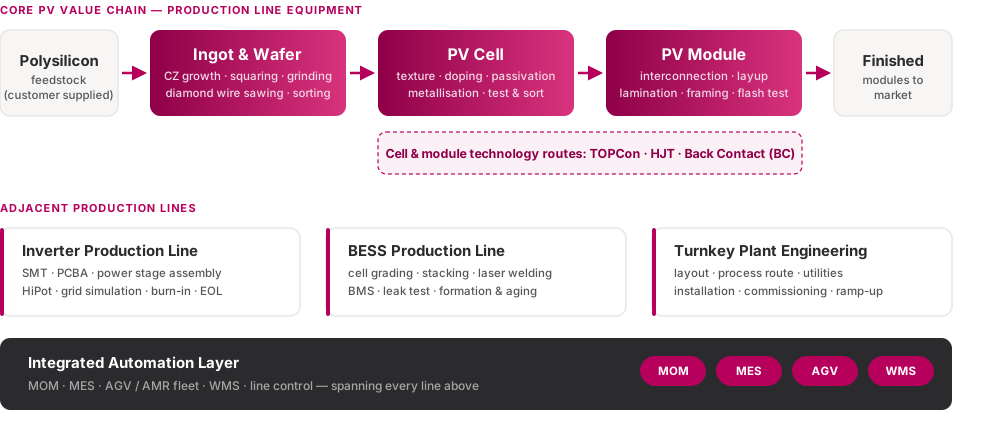
Ingot, cell and module lines are engineered as a coherent whole. The wafer format and the cell architecture chosen upstream dictate the tooling, thermal budget and interconnection method downstream.
Czochralski crystal growth through to inspected, sorted wafers.
Cell lines engineered for your committed n-type technology route.
Interconnection and lamination matched to the cell architecture.
The same engineering discipline applied to the assembly and test lines for inverters and battery energy storage systems.
Electronics assembly and functional test lines for PV inverters, from board level through to a serialised, tested unit.
Battery module and pack assembly lines for stationary storage, engineered around cell-to-pack traceability and electrical safety.
Equipment alone does not make a plant. The automation layer — MOM above MES, AGV and AMR fleets moving material, WMS holding inventory, line control tying equipment together — is what delivers traceability, yield analysis and the possibility of unmanned operation.
We engineer this layer as part of the line, not as an afterthought bolted on during commissioning.
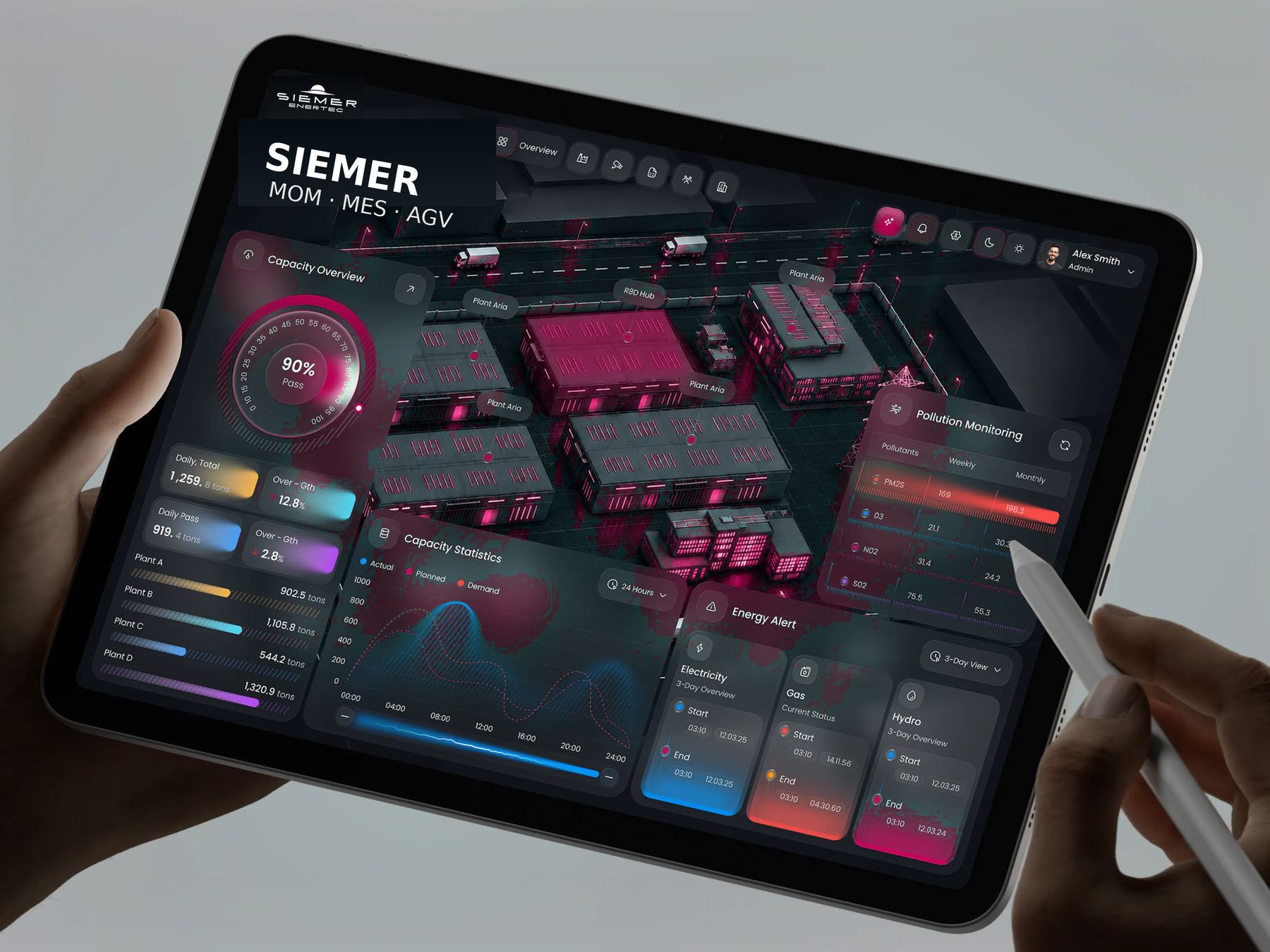
Every line we engineer, with its process flow and specification tables: ingot and wafer, the three n-type cell routes compared side by side, module, inverter, BESS and the automation layer. The same technical detail as this site, in a form you can circulate internally or take into a meeting.
Sent by email. Tell us what you are planning and we will include the detail relevant to it.
Tell us your target capacity, technology route and site conditions, and our engineering team will respond with a concrete line configuration.